
EV charger installation cost averages about $963 to $965 for a home charger, according to Angi and HomeAdvisor, with most jobs between $551 and $1,384. EnergySage’s 2026 figures, based on Qmerit installation data, are higher: $800 to $3,000 for a Level 2 install before the charger itself, and $2,442 on average. The distance from your electrical panel and whether the panel can take the extra load decide most of the price. This guide explains both, covers permits and tax credits, and includes a calculator.
The short answer
- Average: $963 (Angi) or $965 (HomeAdvisor); most $551 to $1,384.
- Level 2 install: $800 to $3,000 before the charger, average $2,442 (EnergySage, 2026).
- Charger itself: typically $300 to $600 (EnergySage).
- Tax credit: the federal 30C credit ended for chargers placed in service after June 30, 2026 (IRS).
EV charger installation cost calculator
Pick the installation range you want to use: Angi and HomeAdvisor’s electrician labor, or EnergySage’s 2026 Level 2 installation figures, which assume a 40 to 60 foot wire run. Distance, subpanel and service upgrade prices come from EnergySage; charger units, panel upgrade, permit and outdoor enclosure from Angi and HomeAdvisor. A rough estimate, not a quote.
| Installation | |
|---|---|
| Longer wire run | |
| Charger | |
| Panel work | |
| Permit | |
| Outdoor enclosure |
Not included: trenching to a detached garage, opening and repairing walls, utility or state rebates that may lower the cost, or local price differences. Permits can cost $50 to $800 depending on the city (EnergySage). Rounded to the nearest $10.
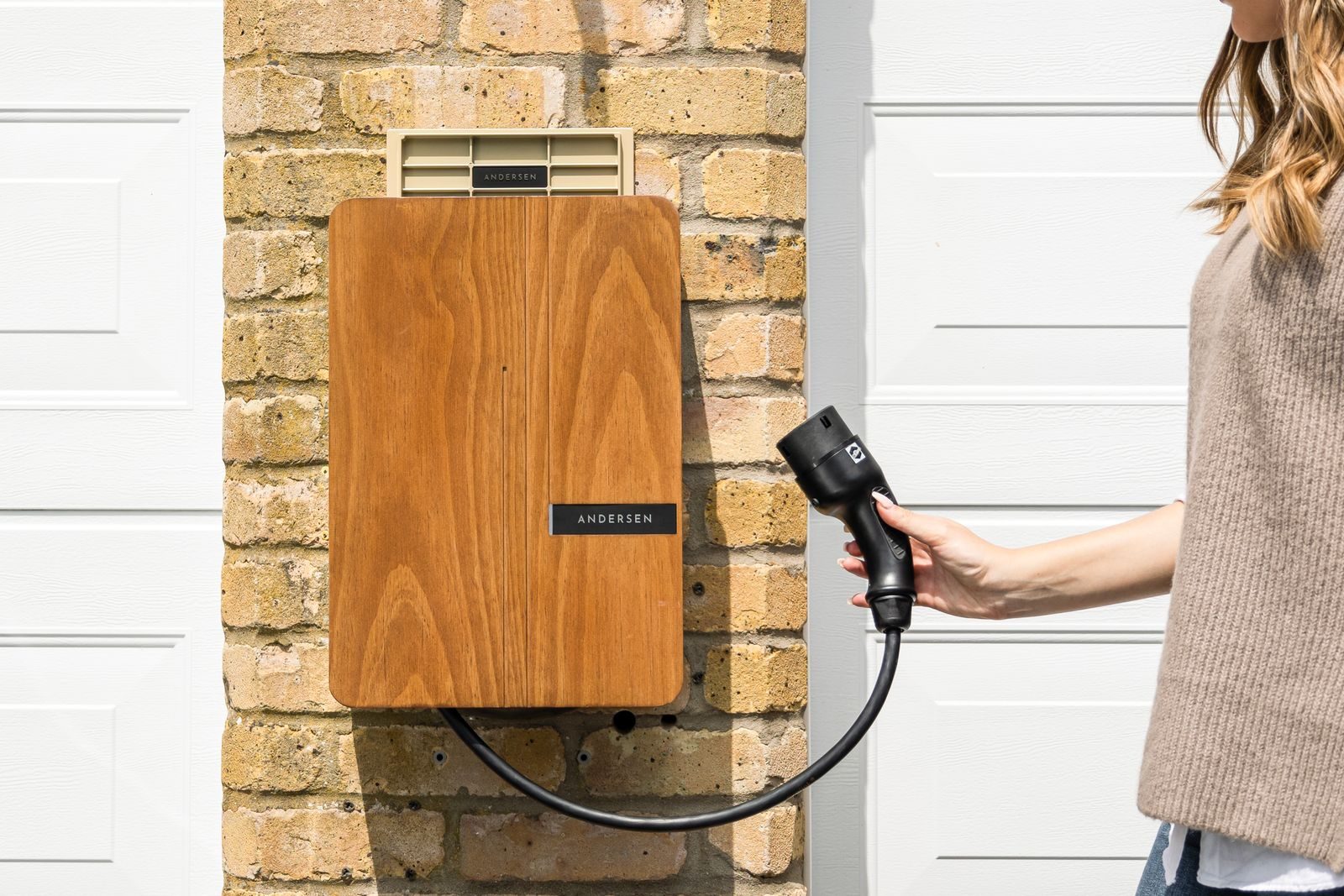
EV charger installation cost: Level 1 vs Level 2
| Level 1 | Level 2 | |
|---|---|---|
| Voltage | 110 to 120 V (Angi) | 240 V circuit (DOE) |
| Equipment | Cordset usually comes with the car (DOE); $300 to $600 if bought (Angi) | $300 to $600 typically (EnergySage); $700 to $2,000 (HomeAdvisor) |
| Installation | Often none; DOE says it needs a dedicated branch circuit near the parking spot | $400 to $1,200 labor (Angi); $800 to $3,000 (EnergySage) |
| Installed total | Little or nothing if a suitable outlet exists | $700 to more than $2,000 (Angi) |
The Department of Energy says many drivers can meet their daily needs with Level 1 charging at no extra cost, while Level 2 gives a faster charge but needs a 240-volt installation.
Distance and panel: what drives EV charger installation cost
EnergySage calls distance from the panel the biggest cost driver. Standard quotes assume 40 to 60 feet of wire, and a 60 to 80 foot run can add about $1,000 to $1,500. Angi notes that running new wire from a basement panel to a garage costs $500 to $1,500.
The other big question is capacity. The DOE says an electrician can tell you whether your home has enough electrical capacity for Level 2 charging. Two different problems hide here. If the panel simply has no free breaker spaces, a subpanel adds room for the new circuit, but it does not add capacity. If the home's electrical service is too small for the extra load, the fix is a panel or service upgrade, which can cost more than the charger and install combined. Our electrical panel replacement cost guide covers those prices in detail.
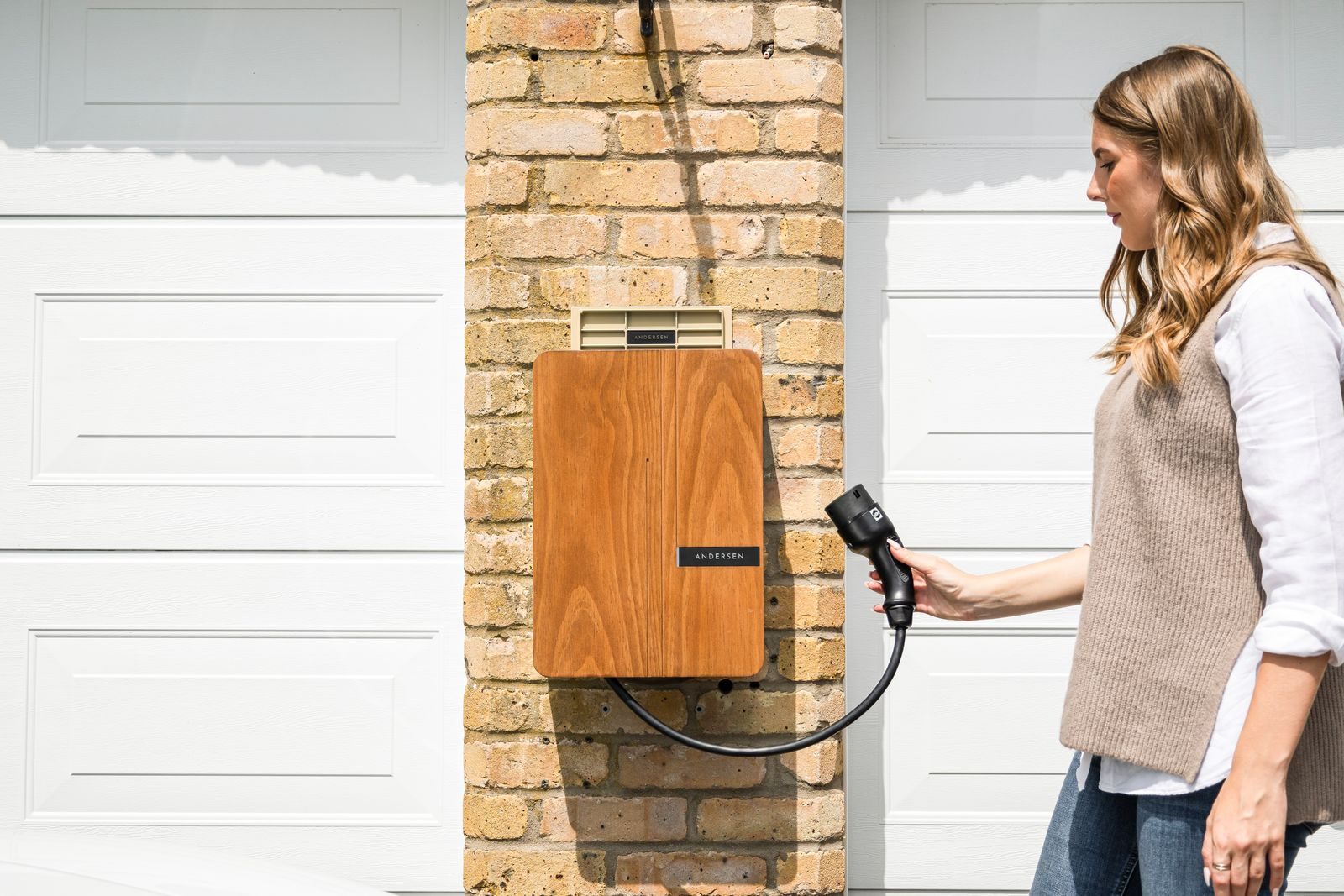
Plug-in or hardwired: EV charger installation cost differences
A Level 2 charger can plug into a 240-volt outlet such as a NEMA 14-50 or be wired directly into the circuit. EnergySage says plug-in chargers are limited to about 40 amps (9.6 kW), while hardwired units can reach up to 19.2 kW on some models and often meet utility rebate rules. The price difference is usually $100 to $200. None of the guides prices brand-specific chargers such as the Tesla Wall Connector separately; as a hardwired Level 2 unit, the same distance and panel factors apply.
Tax credits, rebates and permits that change EV charger installation cost
Some cost guides still mention a 30% federal tax credit of up to $1,000 for home chargers. The IRS says the alternative fuel vehicle refueling property credit (30C) doesn't apply to property placed in service after June 30, 2026, and EnergySage also says it has ended. State and utility rebates may still be available; the DOE's Alternative Fuels Data Center lists programs by state.
Permits typically cost $100 to $200 where required (Angi, HomeAdvisor), though EnergySage found fees from $50 to $800 depending on the city. The DOE notes that many areas also require an approved site plan before installation.
Safety
Before you install
- Use a qualified electrician. The DOE recommends a certified electrical contractor and says permits may be required from local building authorities.
- Buy safety-certified equipment. The DOE suggests products such as ENERGY STAR-labeled chargers, tested by a nationally recognized testing laboratory.
- For outdoor installs, HomeAdvisor says weatherproofing adds cost: about $50 for a basic cover and up to $200 for a lockable enclosure.
Watch: How to Install an EV Charger
How we worked this out
We read Angi's EV charging installation guide (2026 data), HomeAdvisor's charging station guide (no date shown), EnergySage's EV charger installation guide (updated June 22, 2026), the DOE Alternative Fuels Data Center's home charging page and the IRS's FAQ on the 2025 energy credit changes on November 16, 2026. We did not install any chargers or get quotes.
Questions homeowners ask
How much does it cost to install an EV charger at home?
About $963 to $965 on average (Angi, HomeAdvisor), with most between $551 and $1,384. EnergySage's 2026 Level 2 average is higher, $2,442 before the charger.
How much does a Level 2 charger installation cost?
About $700 to more than $2,000 installed (Angi), or $800 to $3,000 for installation alone (EnergySage).
Is there still a tax credit for home EV chargers?
Not the federal one. The IRS says the 30C credit doesn't apply to chargers placed in service after June 30, 2026. Check state and utility rebates.
Do I need a panel upgrade for an EV charger?
Only if your panel lacks capacity. A panel upgrade costs $800 to $2,000 (Angi) and a full service upgrade $1,500 to $4,000 or more (EnergySage).
The verdict
A home EV charger usually costs about $1,000 installed when the panel is close and has room, but $2,500 or more once long wire runs or panel work come in. Get an electrician to check your panel's capacity and measure the run before you buy a charger. The federal 30C credit has ended, so look for state or utility rebates instead.
Sources We Checked
- Angi: A Complete Guide to Electric Vehicle Charging Installation Costs (2026 data)
- HomeAdvisor: How Much Does Electric Car Charging Installation Cost?
- EnergySage: How Much Does an EV Charger Installation Cost? (updated June 22, 2026)
- U.S. Department of Energy (AFDC): Charging Plug-In Electric Vehicles at Home
- IRS: FAQs on changes to energy credits under Public Law 119-21
- DOE: Step-by-step guide to locating EV charging (electrical capacity)